
Steam Cleaning vs Encapsulation: Which Is Right for Your Business?
Steam cleaning versus encapsulation for Perth commercial carpets: what each one does at fibre level, real dry times, costs over a year, and how to choose.
Read ArticleWool, nylon, olefin and polyester each need a different pH, temperature and agitation. How we identify your fibre on site, and why guessing ruins carpet.
Two carpets can look identical under office lighting and need opposite treatment. One will tolerate a strongly alkaline prespray, high heat and a rotary brush. The other will bleed dye, felt and lose its texture for good under the same treatment. The difference is what the yarn is made of.
Fibre determines the chemistry and temperature that are safe, how much agitation the pile will survive, whether a mark sits on the surface or is bonded into the polymer, and how long the floor takes to dry. Every one of those decisions is made before cleaning starts, and every one is wrong if the fibre was assumed rather than established.
What follows is a tour of the fibres you will actually find in Perth commercial buildings, what each does well and badly, and how we identify them on site. It is written for the person who has to sign off the clean rather than the person performing it, because most of the damage we are called in to assess was authorised by someone who was never told the question existed.
Wool is a protein fibre, and almost everything good and bad about it follows from that. Each strand is naturally crimped, which gives it genuine resilience: the pile springs back rather than lying flat, so wool in a boardroom or hotel corridor holds its appearance under traffic far longer than its price alone suggests.
It is also hygroscopic, absorbing and releasing moisture from the air. Wool holds a substantial share of its own weight in water and still feels dry, which is comfortable, but it also means wool dries slowly after extraction. In a Perth winter that is a scheduling decision rather than a footnote.
Its other trick is optical. The scaled fibre surface scatters light, so dry soil sits down in the pile without dulling the surface the way it does on a smooth synthetic. That is a presentation advantage and a maintenance trap at once: by the time wool looks dirty it is carrying a lot of abrasive grit, and grit cutting against fibre is what wears a carpet out.
The vulnerabilities are specific. Wool is sensitive to alkali, to bleach and oxidisers, and to sustained heat, and it felts when moisture, heat and agitation arrive together. It is dyed with acid dyes rather than coloured in the melt, so aggressive chemistry can remove the colour along with the soil.
Browning is the most common wool complaint after a poor clean. It shows a day after the job looked fine, as a brown cast at the pile tips. Cellulosic browning comes from the backing: many quality wool carpets sit on jute, and jute tannins dissolve when the carpet is over-wet, then wick upward and deposit a brown tide mark at the surface.
The cause is too much water left in the carpet for too long. We control it with moderate solution flow, thorough extraction, an acid-side rinse and forced air movement. Browning is usually treatable with a reducing agent, but that means a second visit and a second disruption.
Put down less water than the carpet can give back.
Dry-side passes take the moisture out before it can carry anything upward.
An acid rinse neutralises alkaline residue and helps hold the dye.
Forced air movement shortens the window in which browning can develop.
Felting is mechanical and permanent. The scales on wool fibres ratchet against each other when wet, warm and agitated, locking into a matted surface no later cleaning restores. Dye bleed is the third failure: because colour sits on the fibre rather than inside it, strong alkalinity, high heat or the wrong spotter can loosen dye and let it migrate into adjacent pale areas.
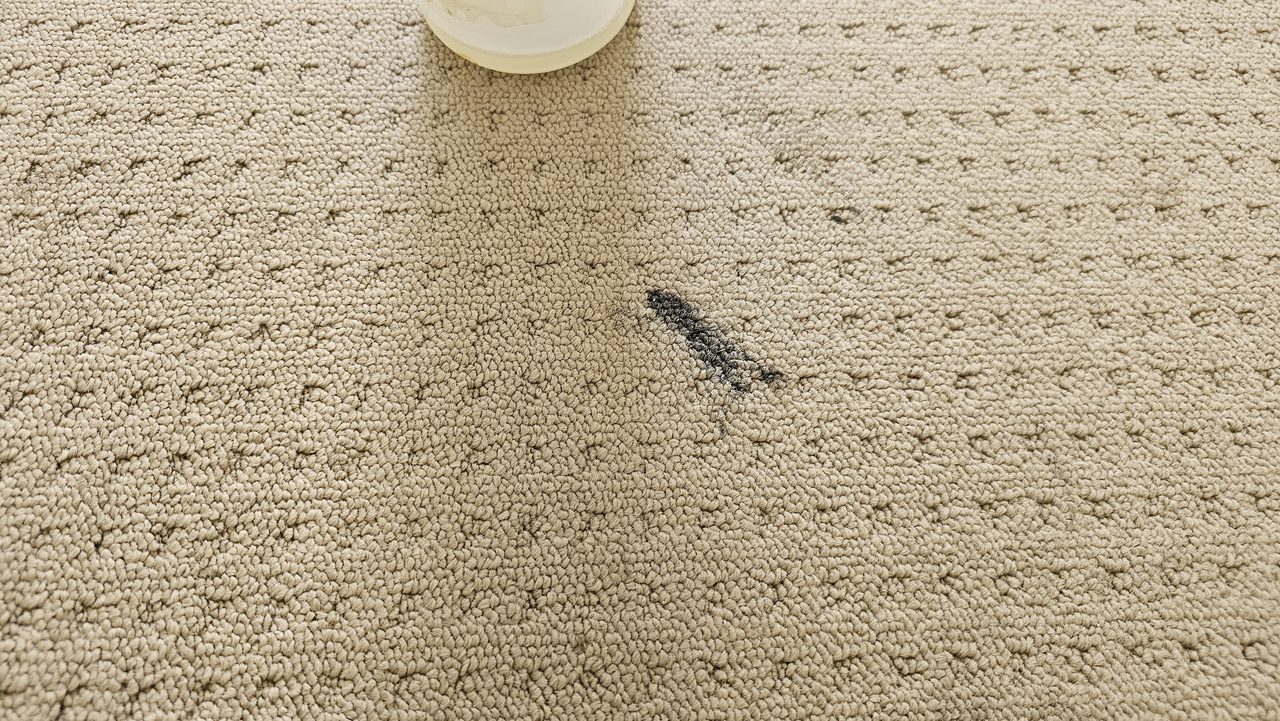
Woolsafe is often described loosely as a wool cleaning qualification, which undersells it. At its core it is a product approval scheme: solutions, spotters and protectors are independently tested against wool for pH behaviour, colourfastness, residue and fibre damage, and only those that pass may carry the mark.
The accreditation side extends that to the people. An accredited technician is trained and assessed on wool behaviour, safe chemistry, correct pH ranges and moisture control, and commits to using approved products on wool. It is the reason a wool floor should be work somebody takes on directly rather than quietly passes to a subcontractor.
What it does not certify is a result on a particular carpet. If your building has wool anywhere, asking whether a contractor is Woolsafe accredited is a fast, verifiable filter that tells you whether they have taken the fibre question seriously at all.
Most commercial broadloom and a large share of carpet tile in Perth offices is nylon, for good reason. Nylon has the best resilience of any common carpet fibre: the polymer has a molecular memory, so crushed pile recovers, especially when heat and moisture are applied. That is why a tired nylon floor often has more life in it than the building manager assumed.
It also resists abrasion, which matters here more than people expect. Coastal sand and fine limestone dust from nearby construction sit in the pile grinding against fibre with every footfall, and nylon takes that punishment better than the alternatives.
Nylon cleans well because it is dyeable, and it is dyeable because the polymer carries sites that attract acid dyes. That same dye affinity is the catch: anything acidic and strongly coloured landing on unprotected nylon is not sitting on the surface, it is dyeing the carpet.
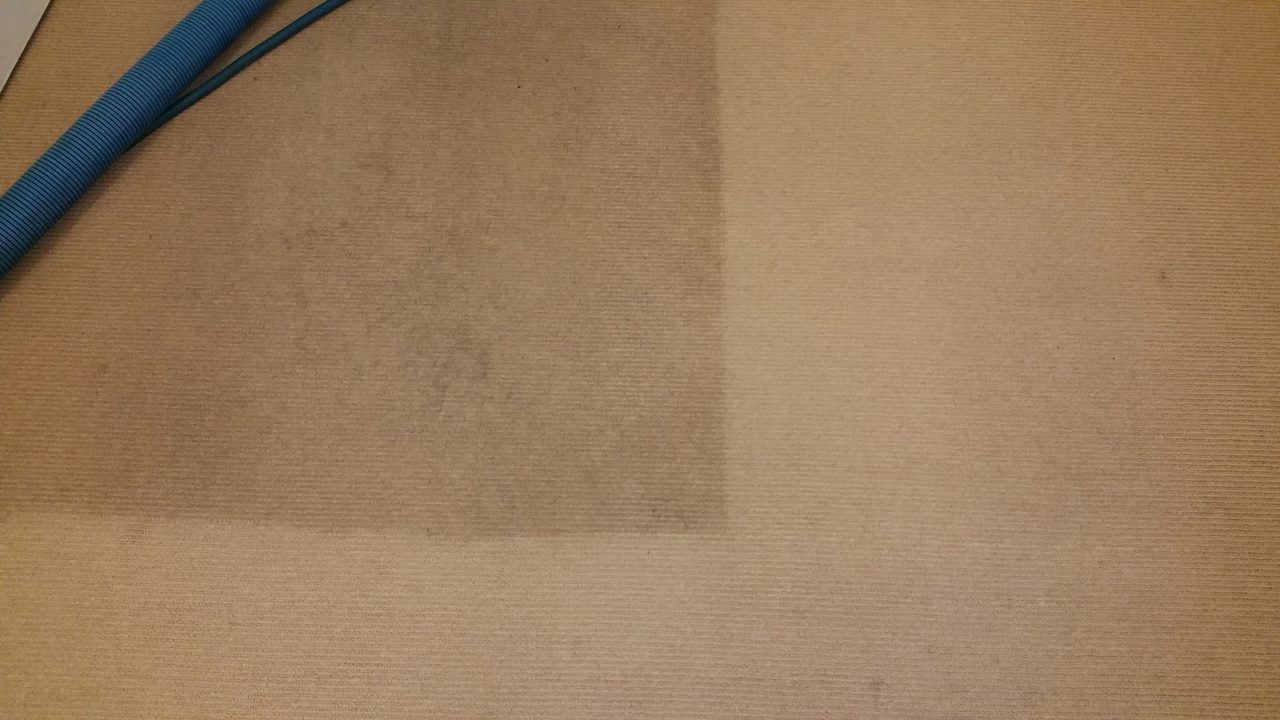
A greasy footprint on nylon is soil, and the right prespray and extraction will remove it. Coffee, tea, red cordial and many food colourings are a different problem, because nylon's dye sites accept them the way they accept the mill's own dye, and heat accelerates it. These marks ignore more detergent and more scrubbing; they need dye-specific chemistry, usually a reducing agent, applied carefully because it can lift the carpet's own colour too.
Most commercial nylon leaves the mill with two defences that are commonly confused. A stain blocker occupies the fibre's spare dye sites so food and drink dyes have nowhere to bond. A soil repellent is a topical finish that makes the yarn harder for liquid to wet and harder for dry soil to key into.
| Property | Stain blocker | Soil repellent |
|---|---|---|
| What it is | Chemistry inside the fibre | A topical finish on the surface |
| How it works | Occupies the fibre's spare dye sites | Lowers surface energy so liquids bead |
| What it stops | Food and drink dyes bonding | Dry soil keying into the yarn |
Neither defence can be repaired in the field. Once one of them is gone the honest options are a factory-grade reapplication or accepting the floor as it now behaves.
Both wear off. Traffic abrades them, and high-alkaline presprays and strong solvents shorten their life, which argues for the mildest chemistry that will do the job. Carpet that suddenly holds marks it used to shrug off has generally lost its protection rather than developed a new fault.
Polypropylene, sold as olefin, is everywhere in budget-conscious fit-outs and in a great deal of carpet tile. Its defining feature is that it is solution dyed: pigment goes into the molten polymer before the fibre is extruded, so colour runs all the way through. That makes olefin effectively colourfast and remarkably resistant to bleach, oxidisers and sunlight.
This is genuinely useful. In a healthcare corridor, an aged care facility or a childcare room where spills get treated with disinfectants, or on a floor taking hard afternoon sun through west-facing glass, solution-dyed olefin holds its colour where wool or piece-dyed nylon would not.
The trade-offs are serious. Olefin has no dye sites and does not absorb water, so spills run straight through to the backing and wick back up as the carpet dries. It is also oleophilic, attracting and holding oils, so greasy soil from car parks, kitchens and workshops bonds to the fibre and is stubborn to shift. And with no memory in the fibre, once traffic crushes the pile flat it stays flat. Olefin does not wear out so much as it uglies out.
Polyester and the PTT variant sold as triexta appear where comfort matters more than heavy traffic loading: hotel rooms, function spaces, aged care lounges and church halls. Like olefin they are hydrophobic, giving good resistance to water-based spills, and like olefin they are oleophilic, so traffic lanes build a dull greasy film that needs a solvent-assisted prespray and hot extraction. Older polyester crushed badly and never recovered; triexta's kinked polymer behaves like a spring and gives recovery much closer to nylon.
| Fibre | What it does well | Where it fails | Cleaning limit |
|---|---|---|---|
| Wool | Springs back, hides dry soil | Felts, browns, bleeds dye | Near-neutral chemistry, moderate heat, gentle agitation |
| Nylon | Best pile recovery, resists abrasion | Coffee and cordial dye the fibre | Takes an alkaline prespray and high heat |
| Olefin | Solution dyed, resists bleach and UV | Holds oil, wicks, crushes flat | Low melting point, keep the heat down |
| Polyester and triexta | Comfortable, resists water-based spills | Dull greasy traffic lanes | Limited by heat rather than pH |
Any blend is cleaned to the tolerance of its most vulnerable component, not its toughest.
A great deal of quality commercial carpet is not one fibre. Wool-nylon blends, commonly around four parts wool to one, are standard in hotels, theatres, clubs and premium offices, because wool provides appearance retention, soil hiding and natural flame resistance while nylon adds abrasion resistance in traffic lanes.
The rule for any blend is non-negotiable: treat the carpet according to its most vulnerable component. A wool-nylon blend is cleaned as wool, because the nylon would tolerate a high-pH prespray and the wool in the same yarn would not. The same logic applies to a wool face on a jute backing, where the backing governs how wet the carpet may get. Theatre and cinema carpet is where that balance is most obvious, and our work on the patterned floors of a Fremantle cinema is exactly that job: conservative chemistry and tight moisture control against a heavy food and drink soil load.
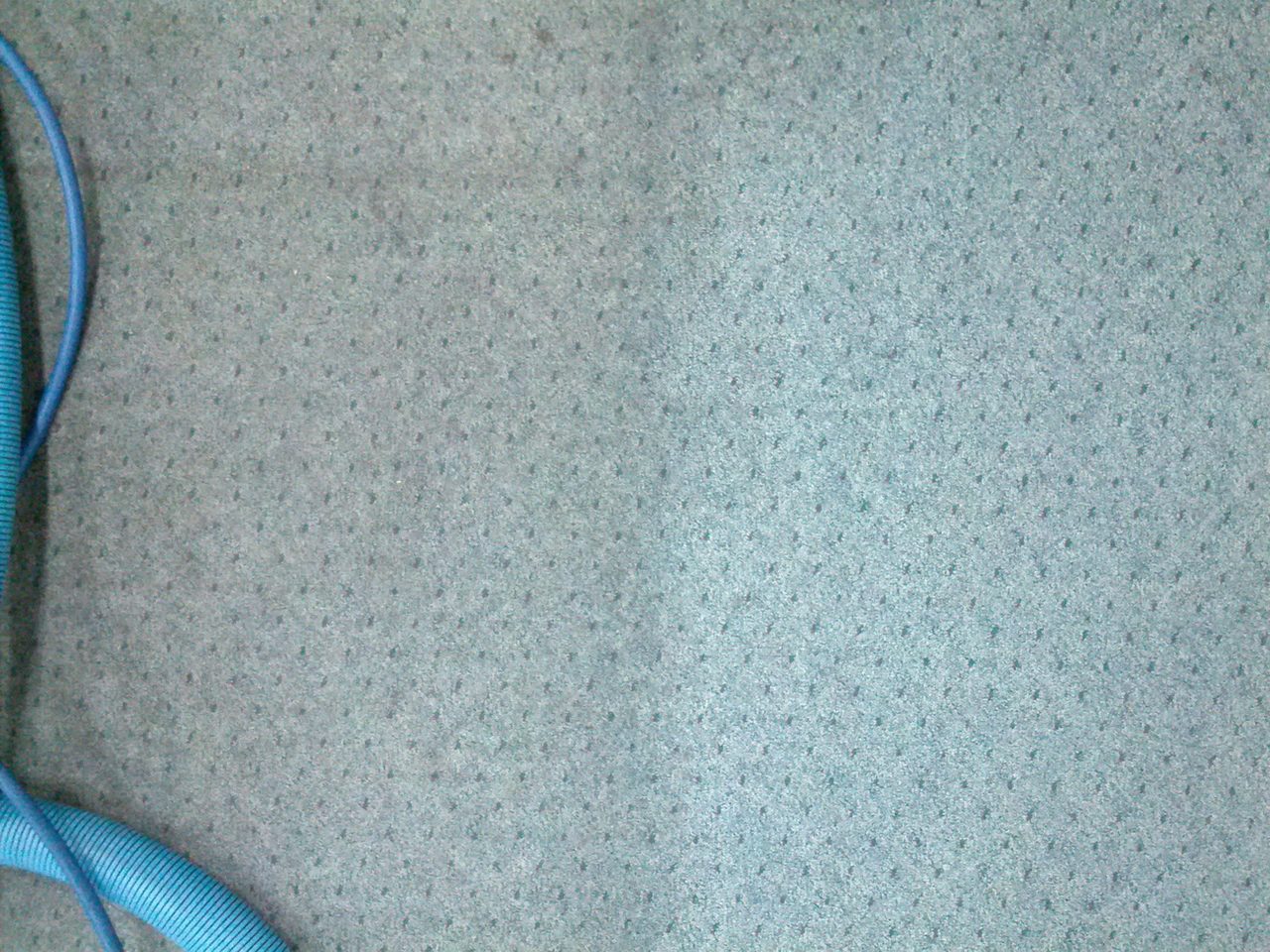
The definitive test is a burn test on a few tufts taken from an inconspicuous area. Wool burns reluctantly, self-extinguishes, smells of burning hair and leaves a soft ash that crushes to powder. Nylon melts before it burns, drips, smells faintly vegetable and leaves a hard grey bead. Polypropylene melts readily, smells like hot candle wax and leaves a waxy bead. Polyester melts with a sweetish chemical smell, sooty smoke and a hard dark bead.
In practice we rarely light anything inside an occupied building, because smoke detection is live and tenants are nearby. Faster non-destructive indicators settle the question in most cases, and where they do not, a few tufts can be taken away and tested off site before the job is booked.
Feel does much of the work: wool is dry and springy with visible crimp, olefin waxy and slick, polyester soft, nylon firmer and more elastic. Backing tells you more, since a hessian-like jute secondary backing points to wool broadloom while bitumen or PVC-backed tiles point to a synthetic. A swab test on a hidden area then confirms whether the colour is on the fibre or in it, and that single fact separates the carpets we can be aggressive with from the ones we cannot.
Cleaning chemistry works by moving pH away from neutral. Alkaline solutions lift oily and greasy soil, which is why commercial traffic-lane presprays are alkaline. Acidic solutions neutralise that residue, brighten colour and help set dye. The real question is how far from neutral a given carpet lets you go.
Wool is the tight constraint. Protein fibre is damaged by sustained alkalinity, and a strong prespray left dwelling on wool starts breaking down the fibre structure, dulling the pile, loosening dye and leaving the carpet harsh to the hand. Wool wants near-neutral to mildly acidic chemistry and an acid rinse to finish, which is precisely the range Woolsafe approved products are tested for.
Nylon accepts a wider band and will take a properly alkaline prespray for greasy commercial soil, though its stain blocker degrades faster the higher you push. Solution-dyed olefin is close to indifferent across the scale, and polyester is limited more by heat than by pH. Whatever goes down has to come back out, because alkaline residue attracts soil and keeps working on the fibre.
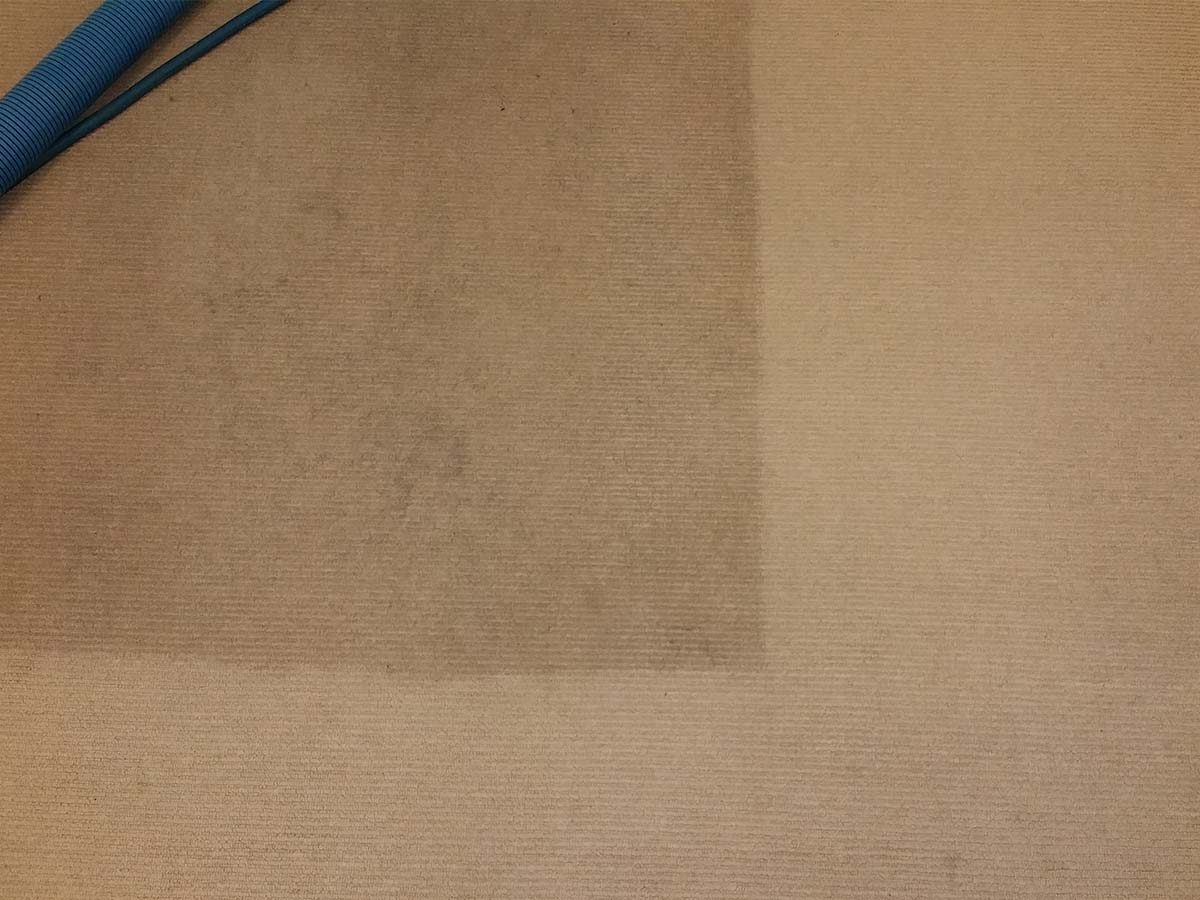
Temperature is a cleaning tool and it is fibre limited. Nylon takes high heat well and rewards it with better soil release and pile recovery, which is why truck-mounted hot water extraction suits it. Wool takes moderate heat only, since sustained high temperatures accelerate bleed, browning and felting. Olefin has a low melting point, and an over-hot wand held in one place can glaze the pile into a shiny matted patch.
Moisture is the second dial, and in Perth it is seasonal. Wool holds water, dries slowly and browns if it stays wet, and jute backing is worse again. In a wet winter, with cold buildings and no useful outside air, that means dry-side extraction passes, air movers, and often scheduling the work so the space has overnight to dry.
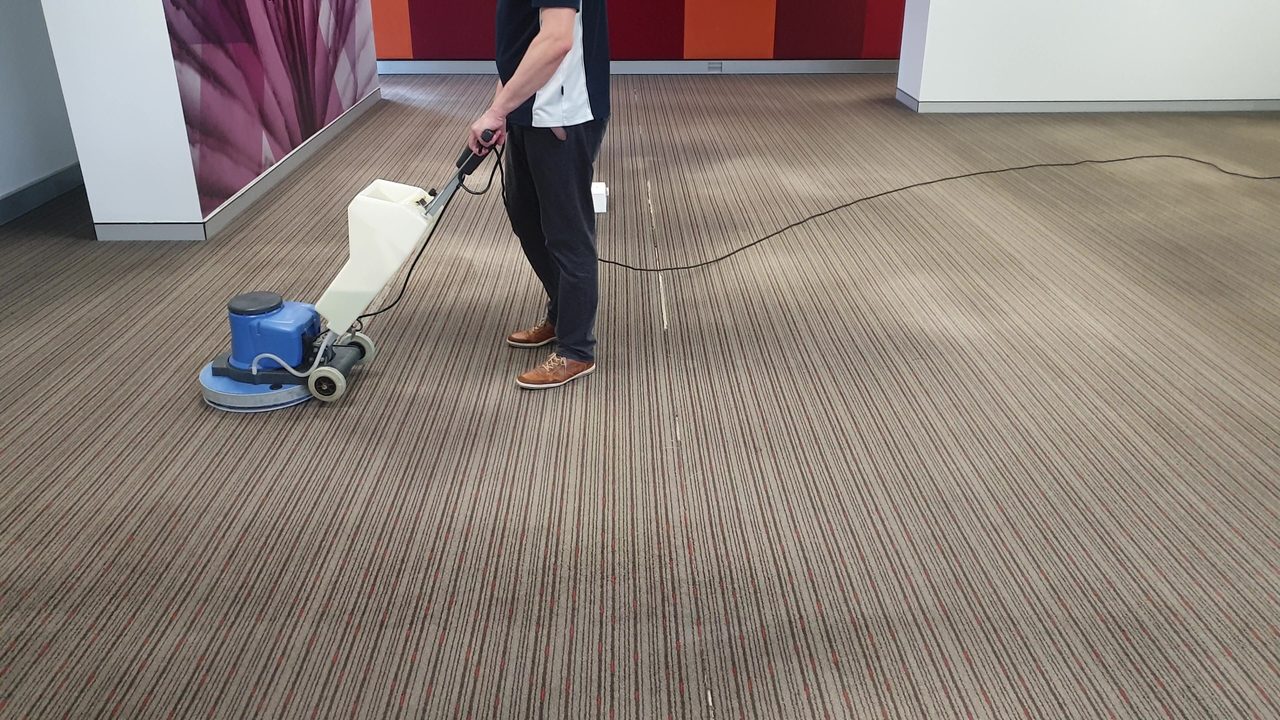
Agitation is the third. Wool felts under aggressive machine agitation when wet, so agitation stays gentle. Loop-pile olefin fuzzes and fibrillates under a stiff brush. Cut-pile nylon takes counter-rotating brush agitation happily and looks better for it, which is one reason our Rotowash work suits nylon office floors. The craft is not knowing which dial goes highest, but which one the carpet in front of you cannot afford.
Every wet clean on a fibre that is not solution dyed starts with a colourfastness test, and it takes a couple of minutes. A white cotton towel dampened with the intended solution is pressed onto a concealed area of each colour and inspected. Any transfer means the dye is not stable in that chemistry, and the plan changes: milder solution, lower temperature, a low-moisture method, or a dye-set treatment first.
Patterned carpets need every distinct colour tested, not one. Deep reds, blues and blacks adjacent to cream or beige are the highest-risk combination, and they are exactly what you find in hospitality, clubs, theatres and church interiors. Hand-made wool rugs are riskier again and are best cleaned off site.
Bleed is not always the current cleaner's fault. Carpet shampooed repeatedly in the past, or treated with the wrong product by a tenant, can carry loosened dye that only reveals itself the next time the floor gets wet. Testing is how you find that out before it becomes a permanent halo across a reception floor.
The failures are specific and, browning aside, largely permanent. Felting and texture loss on wool leave a matted, shaded surface no later clean corrects. Dye migration turns a clean floor into one with faint coloured halos. Bleaching from an oxidiser on piece-dyed carpet removes the colour outright, leaving re-dyeing or replacement as the repair.
Crushing on olefin is the failure most often misdiagnosed. A manager sees dark lanes down a corridor, books a clean, and is disappointed the lanes are still visible afterwards. The carpet is clean; the pile is crushed and abraded, and light is reflecting differently off damaged fibre. Cleaning cannot fix that, and knowing the fibre in advance is how that conversation happens before the job rather than after.
Wicking is the other trap. Over-wet an olefin floor and yesterday's spills return overnight, so the manager arrives to carpet looking worse than before.
The most useful thing a facility manager can do about all of this is make the answer permanent. Fibre identification belongs in the property record, not in the head of whichever contractor last attended. It takes one afternoon to establish and saves argument and money for the life of the floor.
Record the fibre and construction for each area, the backing type, the manufacturer and range, the installation date, whether protector has been applied, and the method used at each clean. If your building has mixed floors, which most do once you count the wool boardroom, the nylon tile open-plan and the olefin lift lobbies, map them by area rather than treating the building as one carpet.
Fibre identification belongs in the property record, not in the head of whichever contractor last attended.
That file changes the conversation with a contractor. Instead of asking what they will do, you can ask what pH they will run on the wool areas, how they will manage drying in winter, and whether they will test colourfastness on the patterned carpet. Those questions have right answers.
One caution about the record itself: it has to belong to the building, not to a person. Fibre knowledge that lives in a facility manager's head walks out of the door when they do, and the next contractor starts guessing all over again. A page in the property file outlasts every one of us, and it is the cheapest insurance a floor will ever be given.
Steam cleaning versus encapsulation for Perth commercial carpets: what each one does at fibre level, real dry times, costs over a year, and how to choose.
Read ArticleA practical guide to office carpet stains for Perth facility managers, with first aid for every spill, the right fix for each stain and when to call us.
Read ArticleThe questions Perth facility managers can put to any commercial carpet cleaner about certification, insurance, quotes, site walks and method.
Read Article