
Odours in Commercial Carpet: Finding the Source, Not Masking It
A smell in your carpet is a source problem. Here is how to find what is causing it, treat it below the surface, and know when the underlay has to go.
Read ArticleWhat to do in the first hour when a commercial floor floods, how extraction and structural drying actually work, and when carpet can be saved.
Almost every water damage job we attend across the Perth metro area could have been smaller. Not through anyone's fault, but because the first hour went to phone calls and mopping instead of the three things that change the outcome: making the area safe, stopping the water, and getting powered extraction moving.
Water does not sit still. It follows the fall of the slab, wicks up the back of plasterboard and runs under skirting into the next tenancy before anybody has found the stop tap. A leak discovered at seven and extracted by nine is usually a restoration job. The same leak found after a quiet weekend is often a replacement job.
So the useful way to think about the first hour is not as clean-up. It is containment. The tidying can wait.
The instinct when you walk into a flooded office or retail floor is to start pulling things off the ground. Resist it for sixty seconds and look at what you are about to step into. Water plus electricity is the combination that turns a bad morning into a serious incident.
If water has reached power points, floor boxes, distribution boards or the base of any plant, isolate power to that zone at the main switchboard before anyone enters. If the board sits in the wet area, keep everybody out and call an electrician rather than making that judgement while standing in a puddle.
There is a structural side people forget. Water sitting above a suspended ceiling loads the tiles, and a saturated tile drops without warning. On tiled and polished floors, the slip risk once water spreads beyond the carpet is the injury we see most.
The order matters more than people expect, because calls made out of sequence produce contractors waiting on each other. First, ring whoever can stop the water: a plumber for a burst pipe or failed flexible hose, a roofer for storm ingress, or your building manager if the source is upstream in a shared tower riser. Second, an electrician if power is compromised or you need safe supply for drying equipment. Third, your restoration contractor, so extraction is on the way while the source is still being dealt with rather than after.
Notify your insurer or broker early, even before you know the extent. Most commercial policies expect prompt notification and reasonable steps to mitigate further loss, and starting extraction is exactly the mitigation they want to see. Tell your neighbours too — in a strata building or a multi-tenanted floor, water almost never stays in one lease.
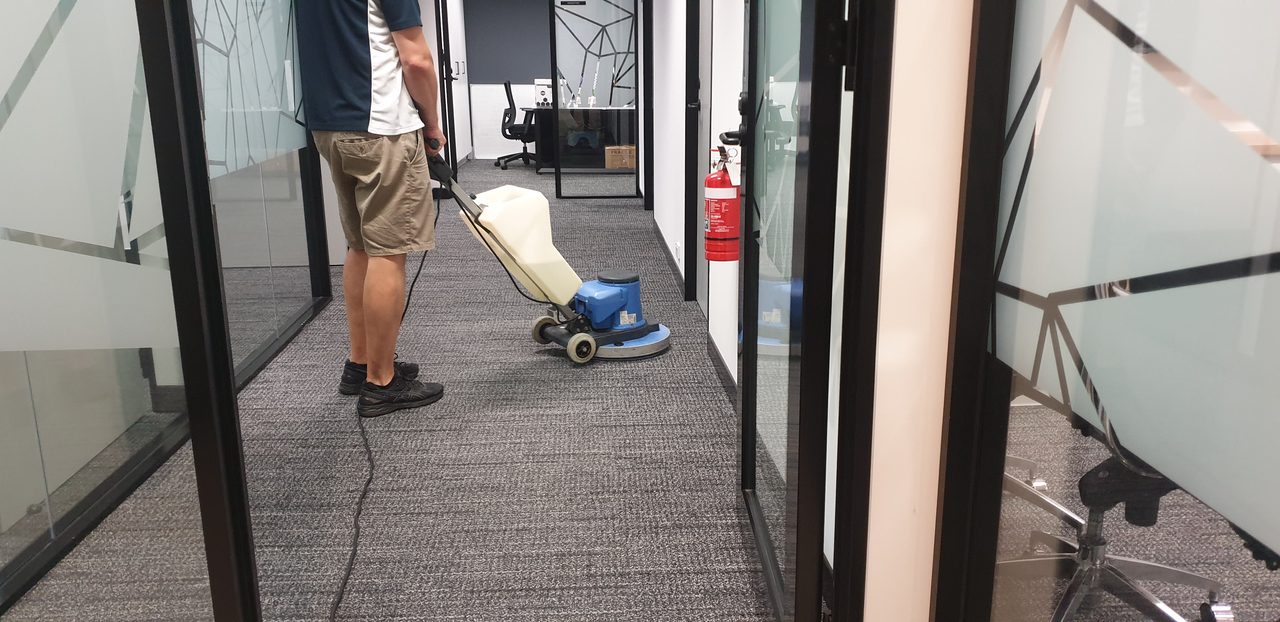
Water damage gets worse by the minute, so the sooner the flow stops the smaller the job becomes. Every facility manager should know where the mains and isolation valves are before an emergency, not during one. If the source is a storm or a blocked box gutter you may not be able to stop it, but you can steer it. Towels, sandbags and door dams will hold a line long enough to protect server cupboards and document storage.
Isolate power to the affected zone at the main board, and keep people out from under sagging ceiling tiles.
Plumber, roofer or building manager, whoever can shut it off at the source.
Ring the restoration contractor while the source is still being dealt with, not after.
Lift cardboard, electronics and files clear, photographing everything before you move it.
Once the site is safe, lift what you can off the floor. Cardboard is the quiet villain: a box sitting in two millimetres of water wicks moisture a surprising distance up its walls, so archive cartons and pallets of stock keep drawing water long after the surface looks dry.
Get electronics, files and valuable goods onto benches or dry pallets, and put furniture legs on blocks so timber does not bleed stain into wet carpet. Photograph everything before you move it, particularly in healthcare, aged care and childcare settings where that record is part of your compliance obligations.
This is the step most non-specialists skip, and it changes everything downstream. Restoration sorts water into three categories, and the category decides whether materials are cleaned and dried in place or removed.
Clean water comes from a sanitary source: a burst supply line, a failed hot water unit, rainwater that has not passed through contaminated material. Grey water carries some contamination but no serious pathogens, such as kitchenette discharge or condensate from air conditioning plant. Black water is grossly contaminated: sewage, drain backflow, or anything that has come up through a slab or across a car park.
There is a time element too. Clean water left standing in a warm building degrades. After a day or two in a closed Perth office over summer, what began as a clean supply leak has picked up soil and bacteria from the carpet and is treated as grey — the strongest argument there is for calling somebody on the day.
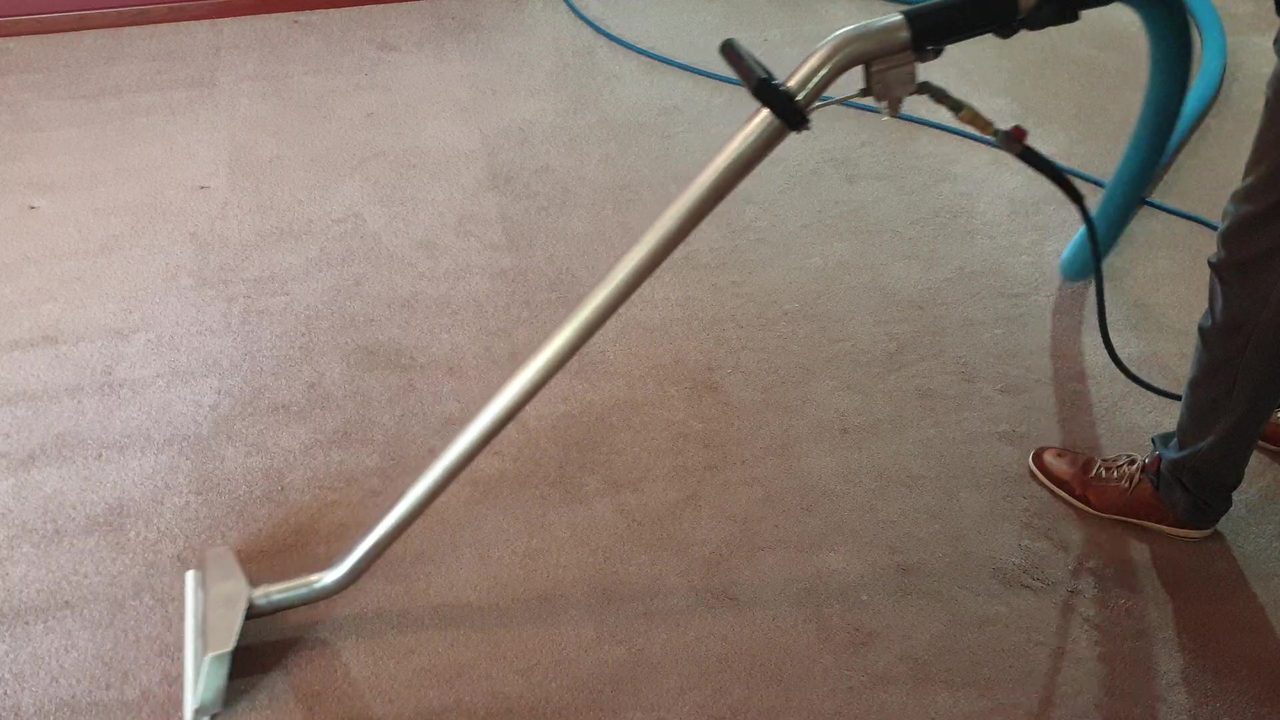
This is what separates a professional response from an enthusiastic one. Removing liquid water mechanically is far faster than evaporating it. A truck-mounted vacuum empties carpet and underlay as it is walked across them, while air movers and dehumidifiers can only take moisture out at the rate the materials release it into the air. Put fans on a saturated floor before extraction and you are asking equipment to spend days on work that could have been finished in an afternoon.
There is a second reason. Blowing air across standing water lifts a great deal of moisture into the building at once, and if dehumidification is not there to catch it, that moisture condenses somewhere else: cold glass, wall cavities, under desks. You have not dried the building, you have moved the water somewhere harder to reach.
| Factor | Mechanical extraction | Air movers and dehumidifiers |
|---|---|---|
| What it removes | Liquid water | Only what the materials release into the air |
| Speed on a saturated floor | An afternoon | Days |
| If it goes first | Empties the sponge | Moves the water into walls and cavities |
Fans cannot do extraction's job, and asking them to only relocates the water.
Truck-mounted extraction is the workhorse. On a wet floor it is run in slow overlapping passes with the head kept flat on the carpet, so the vacuum pulls from below rather than skimming the pile. On glue-down commercial carpet that may be all that is needed; where there is underlay, flood extraction tools draw through the carpet into the layer below and recover the water held there.
Once the free water is gone, the rest is bound up in underlay, skirting, plasterboard, timber and the top of the slab. Getting it out has three parts: air movers to break the still layer of air against wet surfaces, dehumidifiers to pull that moisture out of the air, and a sealed environment so the equipment is drying your building rather than the whole of Perth.
Expect three to five days for a straightforward clean water event on carpet over a slab, with equipment running continuously and readings taken daily. Denser materials take longer. A saturated timber subfloor, thick underlay, or water wicked half a metre up plasterboard can push a job into a second week. Anyone promising a firm number before taking readings is guessing.
Perth adds its own twist. Through summer we dry into warm, dry outside air, which helps enormously. Through winter the outside air is often wetter than the air inside, so opening windows makes things worse and sealed rooms with dehumidification do the work. Winter jobs take longer, and they are where mould appears if drying is cut short.
A carpet surface can feel almost dry while the underlay beneath still holds water, which is how buildings end up with mould in a room everybody signed off as fine. Proper assessment means looking underneath and behind, not just across.
That starts with moisture readings on the carpet backing, the underlay where there is one and the slab. It continues with the meter at skirting height and above it, because plasterboard wicks upward and the tide line sits higher than the visible mark. Wall cavities and the void under a raised access floor hold water invisibly, and a thermal camera finds the cold patches.
Kickboards and joinery deserve particular attention. Water runs under a kitchenette carcass and sits there in the dark with no air movement at all, which is close to a perfect environment for mould.
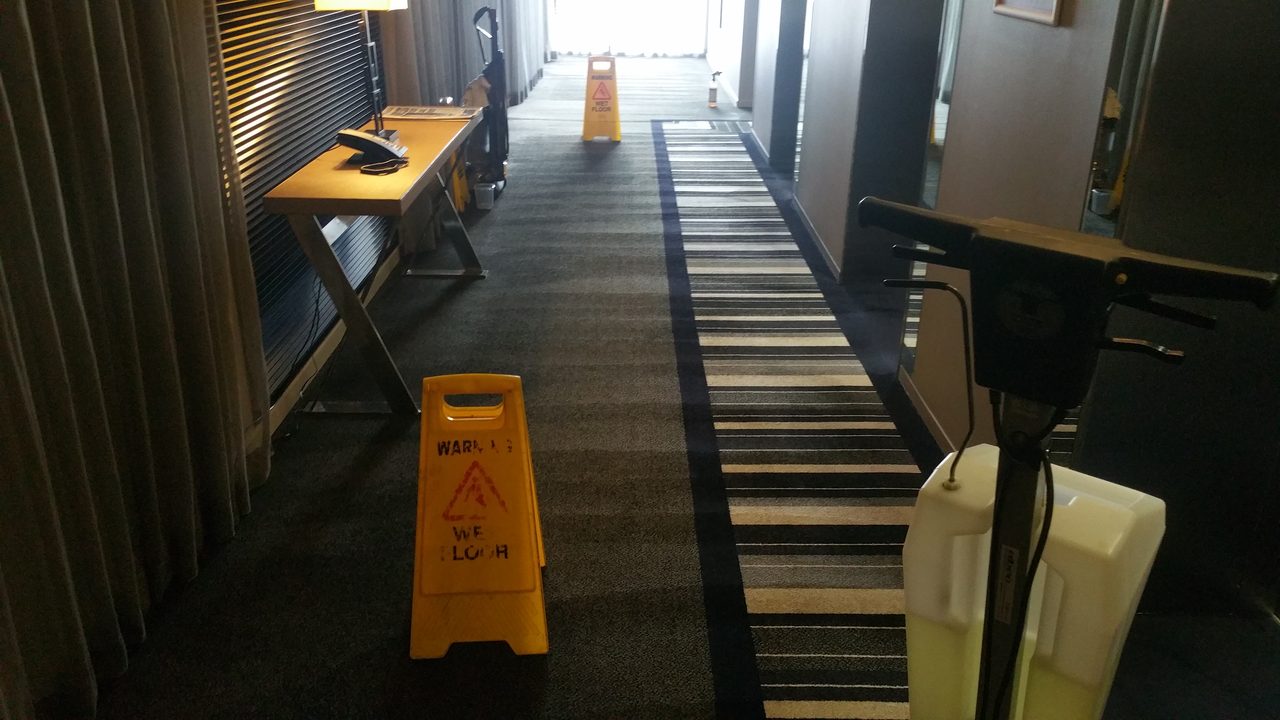
Carpet itself is resilient, and clean water caught early is very often fully restorable. The solution-dyed nylon and polypropylene covering most Perth offices tolerates being wet better than people assume, provided it is extracted quickly, dried properly and cleaned afterwards. Wool dries more slowly and needs a gentler hand, but it comes back well.
Underlay is a different story. Foam and rubber underlays hold water like a sponge, dry slowly, and once they have sat wet they compress, delaminate and hold odour. With clean water and a fast response, underlay can sometimes be dried in place, with flood extraction drawing the water out of both layers before the drying equipment goes in. With grey water it is usually replaced, and with black water it always is.
| Water category | Carpet | Underlay |
|---|---|---|
| Clean | Usually restorable if extracted quickly | Sometimes dried in place |
| Grey | Antimicrobial treatment, then dried | Usually replaced |
| Black | Comes out | Always replaced |
Underlay is replaced far more often than the carpet above it.
The honest markers for replacement are contaminated water of any kind, saturation running more than a couple of days, delamination where the backing has separated from the face, visible mould, or an odour that survives a proper clean. If two or three of those are present, drying the floor is spending money on a result that will not last.
Mould does not need a flood. It needs moisture, a food source and time, and a wet commercial floor supplies all three. Restoration works on the assumption that a colony can take hold within a couple of days of materials staying wet, and heat shortens that further. A shut-up Perth building in February is a warm, still, humid box.
The first sign is usually not visible growth. It is smell, that damp and slightly sour note in a room that has been closed up. If staff mention a smell a week after a leak, the drying was not finished, and the source is almost always the underlay or a wall cavity rather than the carpet face. Perfuming the space makes it worse, because you lose the early warning.
A slow kitchenette hose weeping behind a kickboard for a fortnight is a bigger remediation job than a spectacular burst extracted the same morning.
That window is the argument for treating a leak as urgent even when it looks minor. A slow kitchenette hose weeping behind a kickboard for a fortnight is a bigger remediation job than a spectacular burst extracted the same morning.
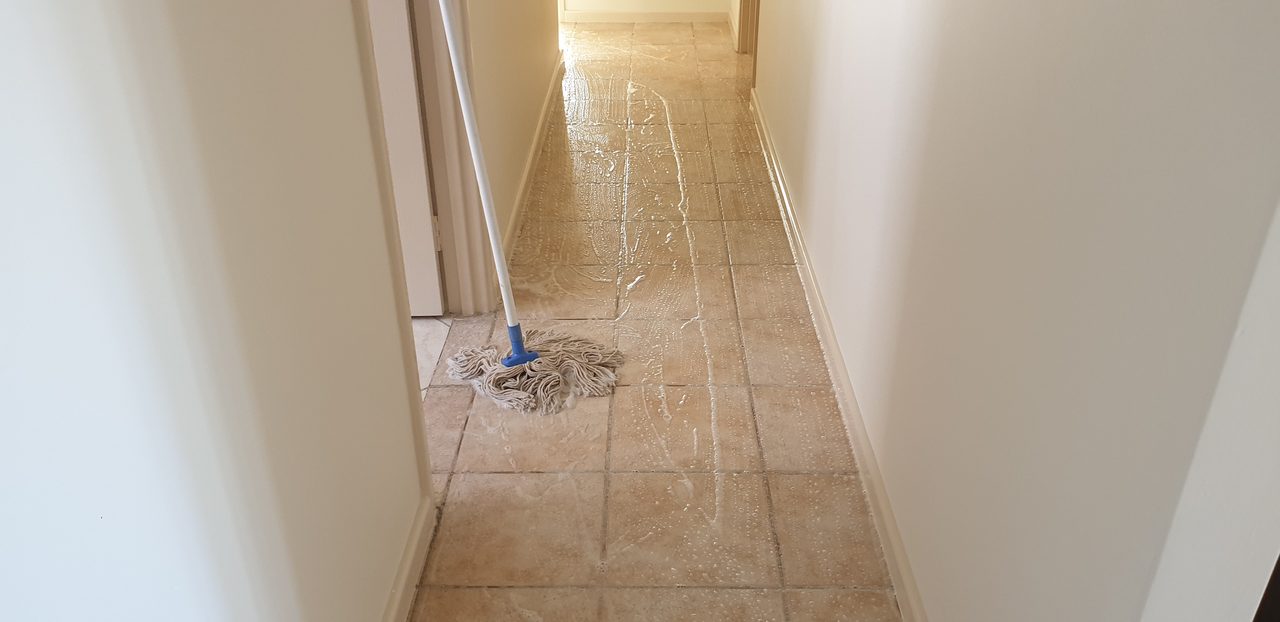
Twenty minutes of documentation while it is happening saves a difficult claim later. Assessors want three things: what happened, how far it reached, and what you did to limit further loss. The clearer that record, the less the process depends on anyone's memory a month later.
Photograph wide first so each room is identifiable, then close in on damaged carpet, skirting, walls, joinery and contents. Capture the tide line before drying removes the evidence. Note when you found the water, when the source was stopped and when equipment arrived, and keep every emergency invoice.
The document carrying the most weight is the one you cannot produce yourself: the contractor's moisture log and scope of works. Daily readings against a dry standard, equipment placement and the drying record show an assessor that the mitigation was real and that anything replaced was genuinely unsalvageable. Ask for it in writing at the start.
Restoration assumes a building you can control; a business assumes a building it can occupy. Those two pull against each other, so decide early how to reconcile them. Drying equipment is noisy, runs continuously and needs the doors shut. A meeting room full of air movers is not a meeting room.
The practical answer is usually to zone the site. Close off the wet area with plastic sheeting, keep the equipment inside that zone, and let the rest of the floor operate normally. Retail and hospitality sites can often trade around a sectioned-off area if the barriers and signage are tidy.
Two things are worth checking. First, the electrical load: a bank of air movers and a dehumidifier is a real draw, and tripping a circuit overnight silently undoes a day of drying. Second, whether the disruptive work can move to after hours. Extraction and equipment moves at night, with the machines simply running through the trading day, keeps most sites open. We work seven days and after hours for exactly this reason.
Most commercial floods are not freak events. They come from a short and predictable list, and almost every item can be checked in an hour once a year. Ageing hot water units and the flexible hoses under sinks and kitchenettes are the leading cause we attend, and a flexible hose is a consumable item, not a permanent fitting. Chiller and air conditioning plant is next, and the failure is nearly always the same one: a condensate line that has silted up and now empties into the ceiling instead of the drain.
Then there is the weather. Perth rain arrives in concentrated winter bursts, and a box gutter that coped through a dry summer will overflow the first time it shifts real volume. Clear roof drains, gutters and sumps before winter, not during it. Car park and loading dock drainage matters as much, because water ponding outside a roller door finds its way under it, and that water is never clean.
The other half of prevention is knowing before it becomes a flood. Water sensors in plant rooms, under hot water units and in server cupboards are inexpensive and will alert somebody at two in the morning, which is when these things happen. A regular maintenance clean helps too: the technician working across your floor at each scheduled visit notices the damp patch by the kitchenette long before anybody at a desk.
A flood on commercial premises is disruptive, but the outcome comes down almost entirely to how the first few hours are handled. Make the area safe, stop the source, work out what kind of water it is, extract before you dry, then dry to a reading rather than a feeling. Do that and most floors come back.
The decision that quietly costs the most is calling the equipment off early, because the floor feels dry and the noise has worn thin. A moisture meter settles that question. The feel of the carpet does not. A floor signed off on a feeling in July is the floor with a smell nobody can place in September, and by then the remedy is no longer drying.
The rest is preparation, and preparation is cheap. The sites that come through these events well are rarely the lucky ones. They are the ones where somebody already knew where the mains valve and the switchboard were, already had a plumber who answers at night, and so did not spend the first hour finding out.
If you are dealing with water now, or simply want a number saved before you need one, Commercial Carpet Cleaning Perth handles extraction and structural drying across the Perth metro area, seven days a week and after hours. Call Zoran on 0460 815 038 or email commercialcarpetcleaningperth@gmail.com.
A smell in your carpet is a source problem. Here is how to find what is causing it, treat it below the surface, and know when the underlay has to go.
Read ArticleCarpet works as a filter for dust, allergens and fine soil. Here is how regular vacuuming and deep cleaning keep that filter working in Perth workplaces.
Read ArticleDeferring carpet maintenance does not save money, it moves it. Here is the real cost stack, the arithmetic, and how to build the business case.
Read Article